Technology has not only transformed our lives but has also made things a bit better, less stressful, simpler to handle and use. A good example is the evolution of new cleaning machines and the smart designs, model and quality they come with. One benefit of using modern cleaning machines over traditional ones is that it requires very little maintenance, cleans better and faster, and it can last for ages.
Traditional cleaning machines are fast fading away from homes, offices, event centers and whatnot while modern cleaning machines are fast becoming widely available.
If you wish to make your house cleaner with dust-free floors and unblemished carpets, buying a vacuum cleaner is one of the best option to consider because it will change a lot of things especially in the way you work, the time you spend, and lots more.
Certainly, there are plenty of options to choose from when considering buying an affordable and valuable vacuum cleaner that you wouldn’t mind replacing once every couple of years.
Buying a vacuum cleaner for the first time isn’t really an easy task. In this section, we will explore and torchlight at least 5 important things to consider before choosing the best vacuum cleaners.
What should you consider before choosing the best vacuum cleaner?
There can be many reasons why you need, not just a vacuum cleaner, but the best of them. But have you considered the kind of cleaner that conforms to the standards required for effective and impressive vacuuming? “A good vacuum cleaner is all about having the right balance of power and technology to clean your home effectively and efficiently,” says Charlie Park, former VP of Floorcare and current Vice President of Engineering, Dyson Home. A poor vacuum cleaner will give you a headache in more ways than one. So you need to consider the following:
How crucial is the noise level factor when selecting a vacuum cleaner?
Lets be real here, nobody enjoys vacuum cleaning in a place that feels like a construction site. The sounds coming from a vacuum can really differ in loudness. Lets admit it, it’s not just an inconvenience; excessive noise can really mess up your household routine or even bother those with sensitive ears including animals.
Vacuums are actually rated based on decibels (dB). Just to give you an idea of scale; a regular conversation hits 50 dB whereas a loud vacuum can reach a whopping 80 dB or even higher. Some of the models now work at a lower volume level of around 60 to 70 decibels (dB).
If you reside in an apartment or have children resting or sleeping nearby during the day and need to be cautious about noise levels; to avoid disturbances or interruptions in their sleep routines and overall comfort and well being; getting a quieter model might significantly improve your experience and daily convenience by minimizing disruptions and ensuring a conducive environment for everyone in your household.
Tip: If you’re anything like me and dread the idea of waking up a sleeping baby or disrupting your podcast marathon session, opt for vacuum cleaners that focus on operating at quieter “whisper” levels.
Bagged or bagless cleaners
For so many reasons, most people prefer the Bagless vacuum cleaners to the bagged. One, the bagless cleaner save on the cost of purchasing bags and also offer added convenience.
However, it requires more filters that need periodic cleaning. People with allergies are advised to always empty dirt in bagless container outdoors. On the other hand, bagged vacuums keep even the tiniest particles in its bag.
Personal Note: I remember a time when I believed that switching to a bagless vacuum would save me money but ended up triggering my allergies every time I emptied the chamber – seems my frugality did not sit well with my allergies!
Features
From our research and customers reviews, we can tell you that a vacuum cleaner with a motorized brush cleans carpets better than one powered only by suction. So it won’t be a bad idea considering vacuum models with a manual carpet pile-height adjustment control, along with suction control for cleaning draperies and other delicates.
Buying a vacuum with manual height adjustment features makes cleaning thick and high pile carpets become easy, as it is majorly based on the user’s preference.
What About Vacuum Size and Maneuverability?
Living in a cramped area or dealing with multiple floors to vacuum can make the dimensions and weight of your vacuum either a help of a source of frustration. Lightweight and compact vacuums prove handy, for storage and navigation purposes – especially when tackling stairs or navigating corners. However bear in mind that smaller doesn’t always mean better if you reside in a big house and require a vacuum with large capacity to prevent frequent bin or bag emptyings.
Tip: Consider choosing a cordless stick vacuum if you’re short of storage space; they’re compact and much easier to maneuver in spaces, like closets or, under beds.
| Carpet Type | Recommended Vacuum Type |
|---|---|
| Frisee (Twisted Yarn) | Upright or Canister with adjustable height |
| Loop (Knotted Yarn) | Upright or Canister with extra soft bristle brush |
| Cut Pile (Cut Yarn) | Upright or Canister with heavy-duty motorized brush |
| Shag (2+ Inches) | Canister with specialized shag rake tool |
| Wool Pile | Upright or Canister with flexible soft-bristle brush |
| Wool Loop | Canister with suction-only rug tool |
| Silk | Canister with suction-only rug tool |
| Sisal | Canister with specialized tool for delicate fibers |
| Woven (Needlepoint) | Canister with suction-only rug tool |
Why is Suction and Airflow Important?
You might have come across the term suction power before; however a top notch vacuum cleaner is distinguished not only by its suction but, by its airflow well. The better the airflow in your vacuum works, the more effectively it can pick up dirt – it’s as simple as that. When choosing a vacuum, opt for models that enhance airflow without relying on a higher motor power.
Upright vacums typically measure this in cubic feet per minute (CFMs). You should aim for a CFMs of at least 100 for powerful suction. What, about canisters? Be sure that they have a water lift of 90 inches or higher.
Tip: Don’t be swayed by the marketing buzz around “high performance motors” – pay attention to suction power and airflow ratings instead; that’s what truly ensures your home stays dust free.
Sound
Believe me, every strict customer doesn’t only appreciate the model and quality of any product purchased, the performance of such product counts also and can even determine if he’s likely to come back again or not. If you leave out the “sound option” while considering on which best vacuum cleaner to buy, you may end up being dissatisfied. Hence, why you need to consider the noise level of a vacuum cleaner before dipping your hands into your wallet for payment.
The best way to measure a vacuum cleaner’s noise level is in decibels. A vacuum cleaner that’s not so loud will allow you to hear a phone ring or a doorbell, which is the right kind to find. But buying a vacuum cleaner that’s unbearable to use because the loud and hard-hitting noise isn’t.
To be on the safe side, ensure that the noise level of any vacuum cleaner you would want to purchase is 75 decibels. It’s ideal at 75. If you want a vacuum cleaner that’s noiseless, buy one that’s operating below 66 decibels, as anything above 80 decibels can cause harm, especially after long-term exposure.
Dust Capacity
It won’t be a bad idea to buy a vacuum with a large dust capacity if you have a big house with lots of floor space to cover. Getting a big dust capacity helps you to deal with fewer bag changes and machine maintenance.
But you must know that the suction capacity plays a role in determining the dust capacity of a vacuum cleaner because the bigger the dirt inside the dust bag, the slower the air suction. So the ideal thing to do is stay away from filling the bag completely before cleaning it.
The size of the container fill inside a bagless vacuum cleaner depends on the size of the vacuum cleaner itself. So the bigger the space, the better the cleaning ability.
Power Consumption and Efficiency of the Vacuum Cleaner
Many may believe that increased power equates to a better cleaning performance – this is a misconception! Although it is easy to assume that higher wattage or amperage indicates a higher suction capability when choosing a vacuum model; these figures merely depict the motor’s energy consumption rather than its cleaning effectiveness in reality.
Most cleaners are used twice a day and even takes up more energy than your heater, so you need to consider if you would want a cleaner with good efficiency or not. The power usage of a cleaner is determined in either “watts” or “amps”. An average household vacuum cleaner uses 500 to 3000 watts of energy.
However, you must not forget that the suction power of a vacuum cleaner is not the same as its power usage. A low-amp or low-watt vacuum cleaner can produce more suction power than a high-amp motor.
The critical factors to consider are the airflow and suction power of the vacuum cleaner – typically gauged by cubic feet per minute (CFM) and water lift (inches). For best outcomes, target a vacuum with a minimum CFM rating of 100 or a water lift of 90 inches.
Remember: The key isn’t just using up electricity but efficiency instead. A 10 amp motor that is well designed has the potential to perform better than a 12 amp motor if the airflow is optimized. Chose a vacuum that works smarter and not harder.
Do You Have A Pet?
It’s quite amazing to have your hairy pets around in your home. But trust me, any decent vacuum cleaner can suck up pet hair and odors – but those don’t work without your accompanying hand labor.

So while bracing up for a vacuum cleaner, you might need to go for a robotic vacuum cleaner to save yourself the stress of pulling out hairs from the device. You are a little time away from having a sparkling environment with a robotic vacuum cleaner, all you need to do is to set the time correctly and then allow it to roll.
Bonus Tip: Consider using vacuuums equipped with a brush roll that is designed to prevent tangles for managing lengthy pet hair that tends to get caught in the vacuum head, saving you the hassle and annoyance of untangling hair, from the brush after each cleaning session.
The Costs You Didn’t Think About: Maintenance and Durability
Investing in a vacuum cleaner may seem like a one-time cost; however, it’s worth noting that certain models entail additional costs in the long run that may catch you by surprise! Whether its dealing with filter replacements or emptying the dust compartment regularly to ensure performance, taking care of your vacuum is crucial for its longevity and efficiency.
When it comes to bagless vacs specifically; they often come equipped with filters that require cleaning or replacing whereas bagged counterparts necessitate buying bags periodically too! The real challenge lies in striking a balance, between the investment you make and the ongoing maintenance expenses you’ll incur over time.
Reality check: While a budget friendly vacuum may seem enticing at glance; in the long run; opting for cheaper models could result in higher costs due to the need for frequent part replacements and repairs. It’s prudent to invest a bit upfront in a vacuum that can last for a decade, than having to replace it every two years.
Is HEPA Filration Worth Considering?
If there’s someone in your home dealing with allergies or asthma, making sure you have the right filtration system is key. Vacuum cleaners equipped with HEPA filters are designed to capture particles as small as 0.03 microns. This helps prevent allergens such as pollen, pets, dander, and dust mites from circulating into your living space. Beware of imitations labeled as “HEPA like”. Opt for vacuums that are certified to have HEPA filters, for your peace of mind.
Top tip: Superior filters do not only capture dust; they also securely contain it within the vacuum cleaner itself. Opt for vacs equipped with filtration systems to guarantee that the air released from the machine is purer, than the air it takes in.
Quick Summary Table of Key Considerations
| Key Factors | Why It Matters | What to Look For |
| Floor Type | Different vacuums excel on different surfaces. | Hard floors, carpets, stairs, or mixed. |
| Suction Power | Strong suction cleans deeper and faster. | Check wattage, air watts (AW), or Pascal rating. |
| Filtration System | Because it traps dust and allergens for cleaner air. | HEPA filters for allergy sufferers. |
| Weight & Maneuverability | Lighter vacuums are easier to use and store. | Compact, easy-to-carry models for smaller spaces. |
| Attachments | Enhance versatility for cleaning different surfaces. | Crevice tool, upholstery brush, pet hair tool. |
| Noise Level | Quieter models improve comfort during use. | dB (decibel) ratings of 60–70 dB for quiet options. |
| Corded vs. Cordless | Impacts runtime and convenience. | Cordless for flexibility, corded for longer cleaning. |
| Budget & Warranty | Affects long-term value and peace of mind. | Balance features with price; check warranty length. |
| Bagged vs Bagless | Affects maintenance and hygiene | Bagged for less dust exposure, bagless for lower ongoing cost |
| Bin or Bag Capacity | Affects frequency of emptying or changing bags | Larger capacity for big homes, easy-empty design |
| Energy Efficiency | Helps you Save power and money | Look for A+++ to A ratings, max 900W for EU |
| Durability & Maintenance | Longevity and cost over time | Reliable brands, easy access to spare parts, simple filter changes |
Below are insights from industry experts and real users to help guide your decision when selecting the best vacuum cleaner for your needs
| Factors to be considered | What our experts say |
|---|---|
| Vacuum Type | Professional home organizer Meaghan Kessman: “The best choice depends on your home and cleaning routine…” |
| Filtration | Kessman, Home Expert: “If you have allergies or pets, a HEPA filter is a must…” |
| Suction/Performance | Charlie Park, Dyson VP: “A good vacuum cleaner has strong suction power…” |
| Durability | BestVacuum.com: “The quality of your vacuum cleaner is also important…” |
| Ease of Use | BestVacuum.com: “It must be easy for you to use…should maneuver easily…” |
| Noise Level | BestVacuum.com: “Noise is also a significant consideration…” |
| Expert User Review | Sarah McAllister, Founder of cleaning site GoCleanCo: For carpet cleaning, a specialized head with a brush roll is most effective |
So what is a vacuum cleaner?
A vacuum cleaner is a device that makes use of an air pump to create a partial vacuum which sucks up dust and dirt from floors. Also known as a sweeper or hoover, vacuum cleaners also suck up dirt from surfaces like upholstery and draperies.
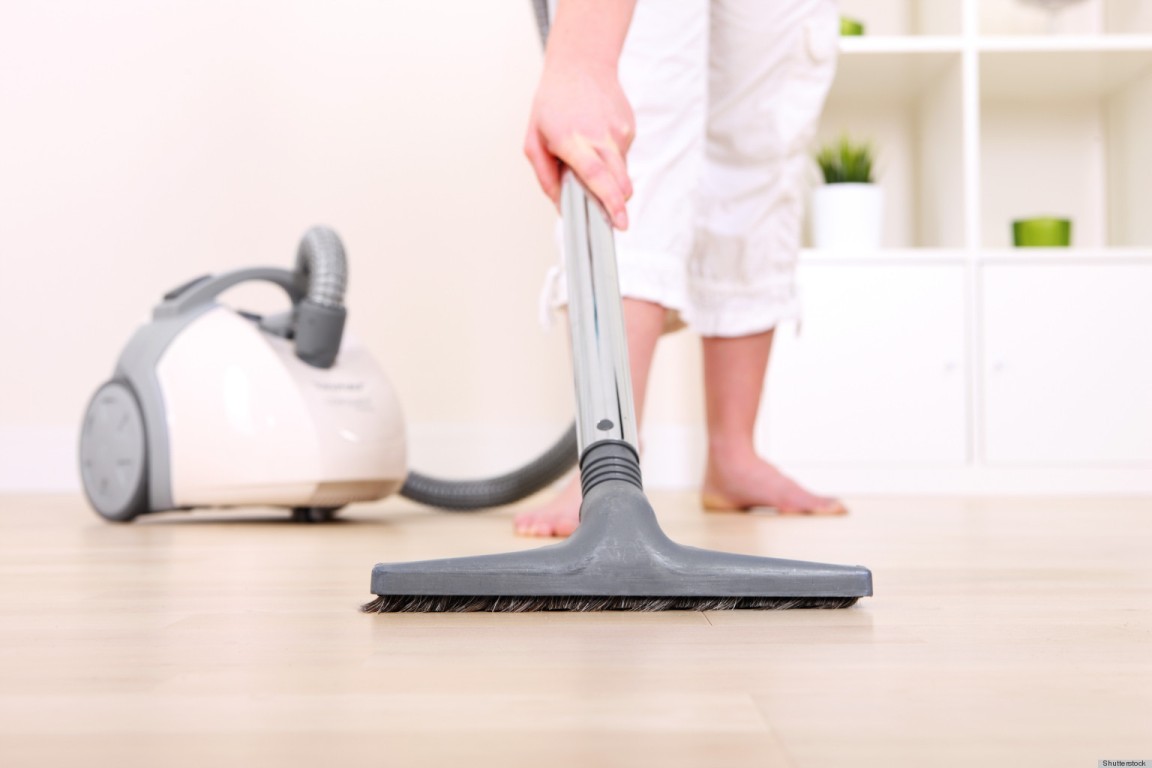
The device, which comes in different sizes and models, is designed in such a way that a dustbag collects the dirt for later disposal and specialized shop vacuums can be used to suck up both dust and liquids – thanks to technological advancement.
Types of vacuum cleaners
When it comes to cleaning, determining the type of cleaner is the first thing that comes to the mind. Importantly, the type of cleaner you need largely depends on the size of the area you need to vacuum. By the size of the area, I mean if you are vacuuming just a wall-to-wall carpet, rugs, uprights, especially with a bag, stairs, hardwood floors, laminated floors, or tile floors.
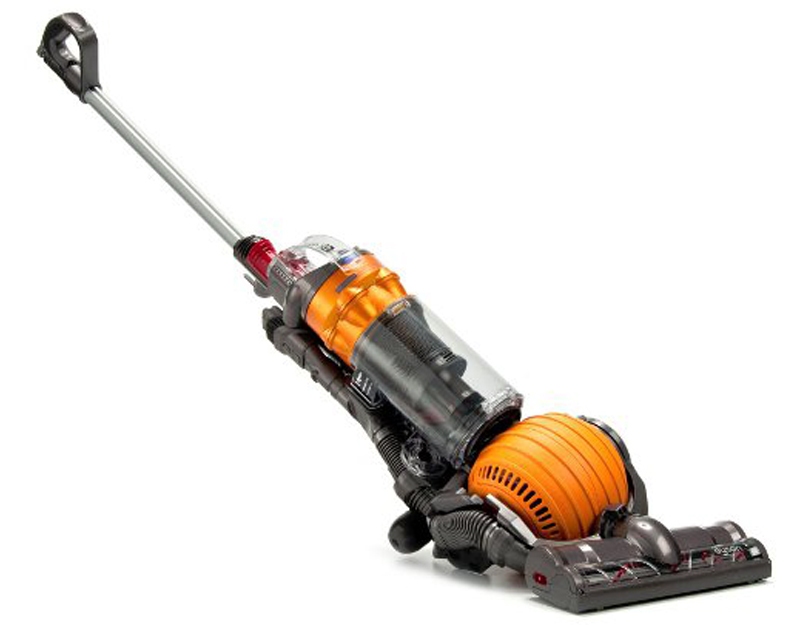
So to stay ahead, it’s critical to look at the size, power, and pushing or pulling weight before investing your money in any vacuum cleaner. If you are doing deep cleaning, especially if you are cleaning a polyester, nylon and other synthetic carpets, then you need to go for the Upright vacuum cleaners. The Upright vacuum cleaners are the best for thick carpets and are also simple to handle, easy to clean and store after use.
However, this cleaner is not ideal for floors without carpet as it usually scatters dust and scratches the floor due to its brush roll feature.
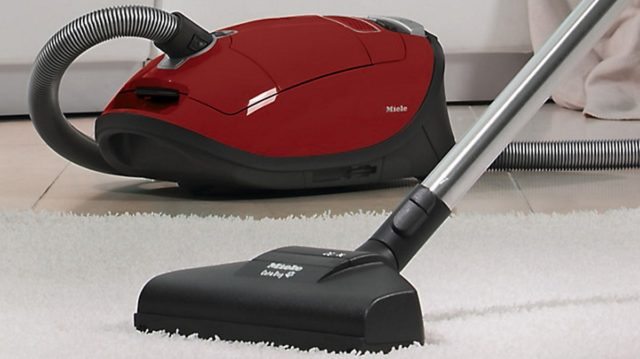
For cleaning bare floors, the Canister vacuum cleaners are the best. Though heavier than the Upright vacuum cleaners, the Canister cleaners can clean under drapes, furniture, stairs, and other upholstery. So they apparently offer such great maneuverability.
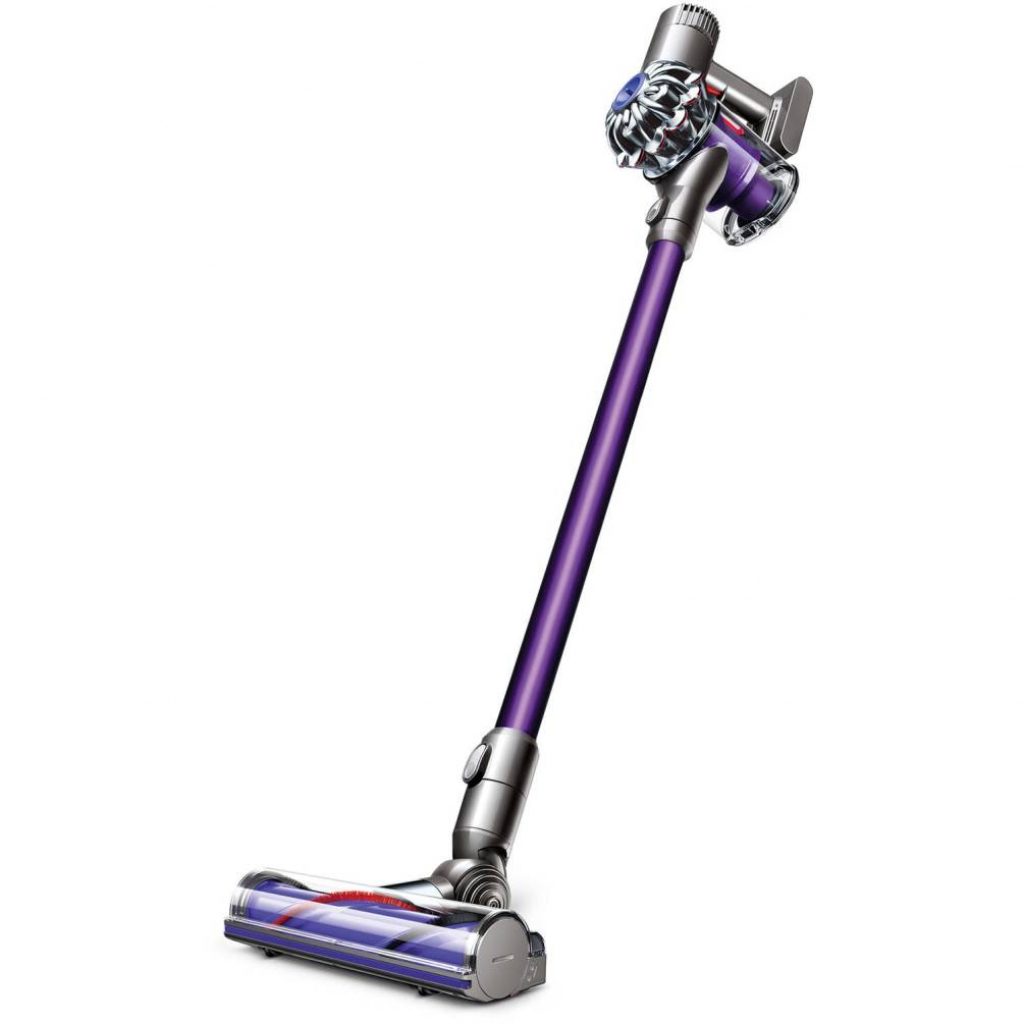
The Stick vacuum cleaners are certainly the most portable and convenient of them all. They are designed in such a way that they can be handheld and also boasts of being electric and battery powered.
This cleaner helps a great deal in cleaning up floors. it is however, not really ideal for deep-carpet cleaning as it comes with a smaller dirt bag.
Related: Best Portable Handheld Vacuum Cleaners
If you want a quicker cleaning of small areas such as the sofa set, blankets, tables, upholstery or even your car, then the Hand-held vacuum cleaner is the perfect device for the task.
If you the busy type, the Robotic vacuum cleaner is all you need. Too good to be true, this cleaner is more like a robot. It detects debris out of tight spots and quietly runs from one corner to corner on its own. In fact, you need not to flex your muscle as it does all work.
The last cleaner in this section is the Central vacuum cleaners. Though a bit heavy and big, it comes with 3 important parts: the vacuum body, hose, and power head. All you need to do is to use the extended hose and power head for vacuuming while the vacuum body stays at one corner of the home.
| Type of Vacuum Cleaner | Description |
|---|---|
| Upright Vacuum | Ideal for carpets; often equipped with motorized brushes for deep cleaning and effective suction. Suitable for larger homes with wall-to-wall carpeting. |
| Canister Vacuum | Offers versatility; excellent for both carpets and hard floors. The hose and wand allow for better maneuverability in tight spaces, under furniture, and on stairs. |
| Cordless/Stick Vacuum | Lightweight and battery-operated; perfect for quick clean-ups and smaller spaces. However, it may have limited battery life and smaller dust capacity. |
| Handheld Vacuum | Small and portable; designed for quick clean-ups, car interiors, or furniture. It’s often battery-operated and has limited suction power. |
| Robot Vacuum | Autonomous vacuum that cleans on its own, perfect for maintaining hard floors and low-pile carpets. Best for smaller homes or areas with minimal cleaning needs. |
| Wet/Dry Vacuum | Versatile vacuum that can handle liquid spills and dry debris; often used in workshops, garages, or for heavy-duty cleaning tasks. |
In conclusion, buying the right and ideal vacuum cleaning device is one sure way to have a better cleaning result. It also helps in prolonging the life of the equipment, hence, why you need to take your time and make worthwhile considerations before paying for any vacuum cleaner.
FAQs
1: What type of vacuum cleaner is best for pet hair?
Vacuum cleaners specifically designed to handle pet hair issues are the most suitable option for dealing with challenging pet hair. Upright vacuums and stick vacuums with motorized brush rolls (sometimes called power brushes or turbo brushes) function best because they both stir and remove hair from carpets and upholstery. Look for products that have pet hair removal features and additional pet hair cleaning attachments such as tangle-free turbine tools or mini motorized brushes. Homes with different types of flooring and furniture that collects hair should consider using canister vacuums with strong suction and pet hair attachments.
2: Is a bagged or bagless vacuum better for allergies?
A bagged vacuum cleaner provides superior protection to people that have allergies because his is because the vacuum seals allergens, pollen, and dust inside the disposable bag thus protecting users during the process of emptying the vacuum. HEPA filtration remains crucial because it traps 99.9% of microscopic particles including dust mites and pet dander. Although bagless vacuums are more eco-friendly and helps save money on bags, they release more dust when the canister is emptied, which can trigger allergies. So, if allergies are of concern, you are advised to opt for bagged vacuums with HEPA filtration capabilities.
3: How often should I change or clean vacuum filters?
Vacuum filter maintenance will depend on both your vacuum model and how often you use it. The lifespan for foam and felt filters requires washing or replacement every 1-3 months. HEPA filters should be replaced every 6-12 months but you can wash and use reusable HEPA filters several times. Your vacuum’s manual contains essential instructions about filter care because a dirty or blocked filter will decrease suction power and damage the motor. If you have allergies or pets, consider cleaning or replacing your filters more often to get the best performance out of it.
Q4: What is the difference between HEPA and standard filters?
The main difference lies in their ability to filter more efficiently. The HEPA (High-Efficiency Particulate Air) filter design traps 99.97% of particles measuring 0.3 microns or smaller while capturing allergens including pollen pet dander and dust mites. Those that suffer from allergies or asthma should go for HEPA filters since they provide optimal performance for this specific need. Standard filters trap larger debris yet enable smaller allergens to escape through their mesh. Therefore, the best option for obtaining cleaner air while creating a healthier home environment is HEPA filters because they trap 99.97% of tiny particles while standard filters let through more allergens.
Q5: Are cordless vacuums powerful enough for deep cleaning?
Yes, the advancement of cordless vacuum technology during recent years has brought about high-end models which demonstrate superior cleaning and suction abilities. Deep cleaning of thick carpets and large homes requires better results which corded models typically deliver when compared to cordless models. However, cordless vacuums are excellent choice when it comes to quick clean-ups, hardwood floors, and smaller areas, offering unbeatable convenience and maneuverability.
6: How do I choose the right vacuum for hardwood floors vs. carpet?
A vacuum cleaner for hardwood floors should have either a soft-bristle brush or a bare-floor setting to prevent damage to the surface. The best option for hardwood floors are canister vacuums and stick vacuums which come with hardwood-specific attachments. A vacuum equipped with a motorized brush roll or beater bar performs best on carpeted floors because these features effectively stir carpet fibers and lift dirt particles. Modern vacuum cleaners include adjustable brush roll mechanisms which enable users to shift between carpet and floor surfaces. If your home has both, consider a vacuum with adjustable settings or separate attachments for each type of floor.
7: What attachments should I look for in a vacuum cleaner?
Having additional attachments will increase both machine versatility and cleaning efficiency. Key attachments to consider include:
- Crevice Tool: This is Perfect for tight spaces and corners.
- Dusting Brush with Gentle bristles for cleaning shelves, blinds, and delicate surfaces.
- Upholstery Tool: Great for sofas, chairs, and mattresses.
- Motorized Pet Brush: Excellent for pet hair removal on furniture and stairs.
- Extension Wand: For reaching high places like ceilings and ceiling fans.
- Look for vacuums that include these attachments or offer them as optional add-ons if you have specific cleaning needs.
8: Is a cordless vacuum better for small spaces?
Yes! The portable and lightweight design of cordless vacuums make them more suitable for reaching small spaces than traditional corded vacuums. The cordless design enables the user move freely without power outlet restrictions or tangled cords, and their compact size means they are easier to store. For quick daily clean-ups, cordless vacuums are unbeatable in smaller living spaces.