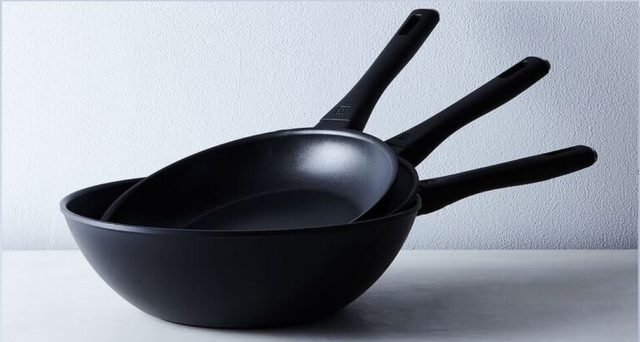
Cleaning a burnt non stick pan with so much hassle will be history by the time you are done with this article. Non-stick pan commercials look absolutely great. In reality, they are but what cannot be ruled out is that food still get burnt on it and for the sake of a good health and hygiene removing the foods burnt on the surface is necessary.
One of the reason why we opt for the non stick pans is that it guarantees lesser cleaning hassles. They are good for making dishes like omelettes, and thin pancakes. Teflon cookwares encourage the use of less oil which is recommended for a healthier meal.
The surface of non-stick cookware is coated with base materials such as aluminum. This keeps the food from sticking to the cookware and it allows food to slide out of the pan with little or no help from the cooking spoon.
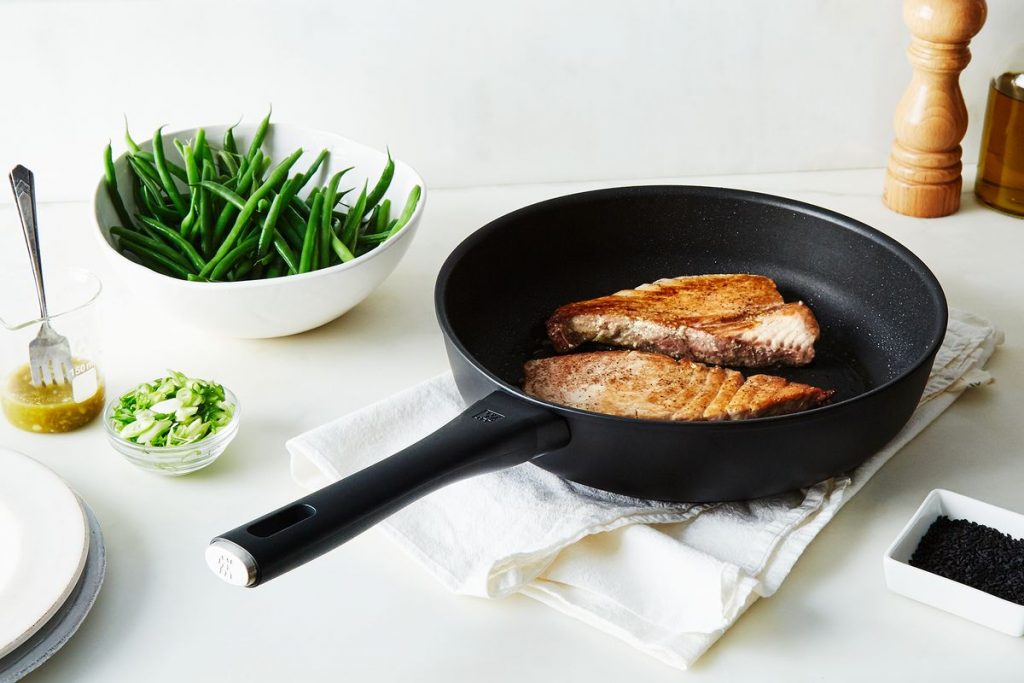
Attached to the above mentioned advantage is the fact that because it absorbs lesser oil from the food, the non stick pan is pretty much easy to clean.
To get rid of burnt food particles from the surface of a non stick pan, cooking sprays may not be the best option since they can cause more food residues on the pan as additives in the spray such as soy lecithin build up on the pan.
See Also: Best Rice Cookers To Set Right Your Kitchen Woes
A residue build up causes food to be unevenly cooked and besides that, it is not good for the health as noted earlier.
So what do you do when there are food residues on your non stick pans?
Methods for Cleaning your burnt non stick pan?
1. Baking Soda and Water Mixture
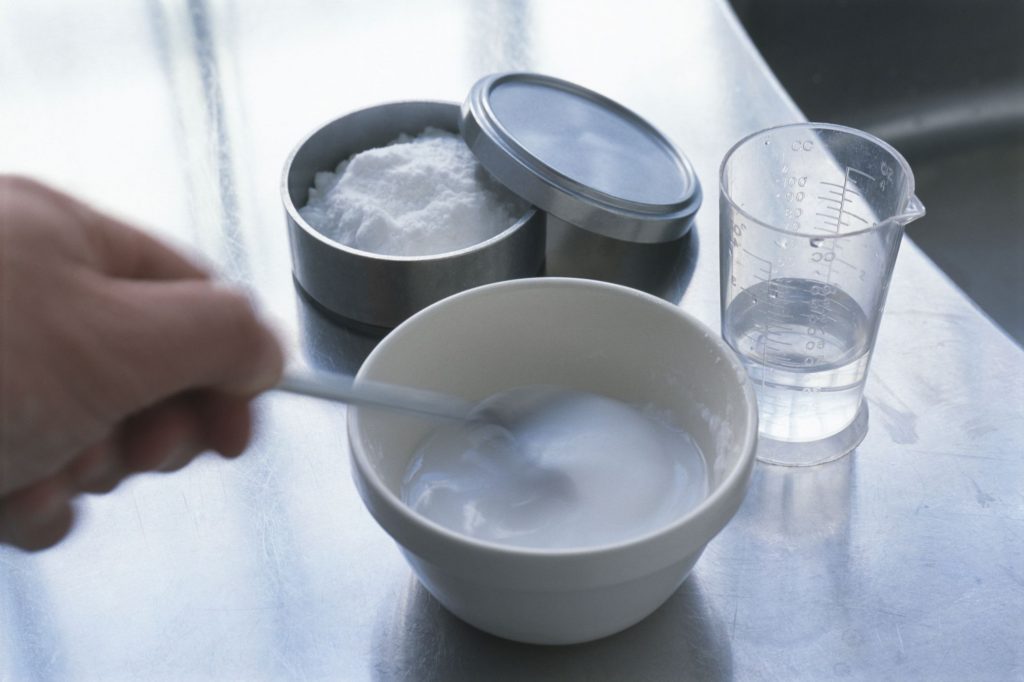
- Make a paste mixture of baking soda and water and soak the burnt non stick pan overnight.
- Wash the pan normally. Food particles are expected to come off easily. However, where they don’t, apply more pressure while washing it.
- Ensure that the sponge in non-metallic but made of soft nylon. Abrasives will damage or remove the non-stick coating of the pan.
- Rinse the pan thoroughly, dry and then store for next use.
- Non-stick pans are generally not dishwasher-friendly. Though some are advertised to be able to withstand the dish-washing conditions, we advise that you don’t clean with dishwasher as dishwashers operate at a high temperature and use strong detergents.
- Sink baths are ultimately advised for burnt non stick pans.
2. Vinegar and Water Mixture
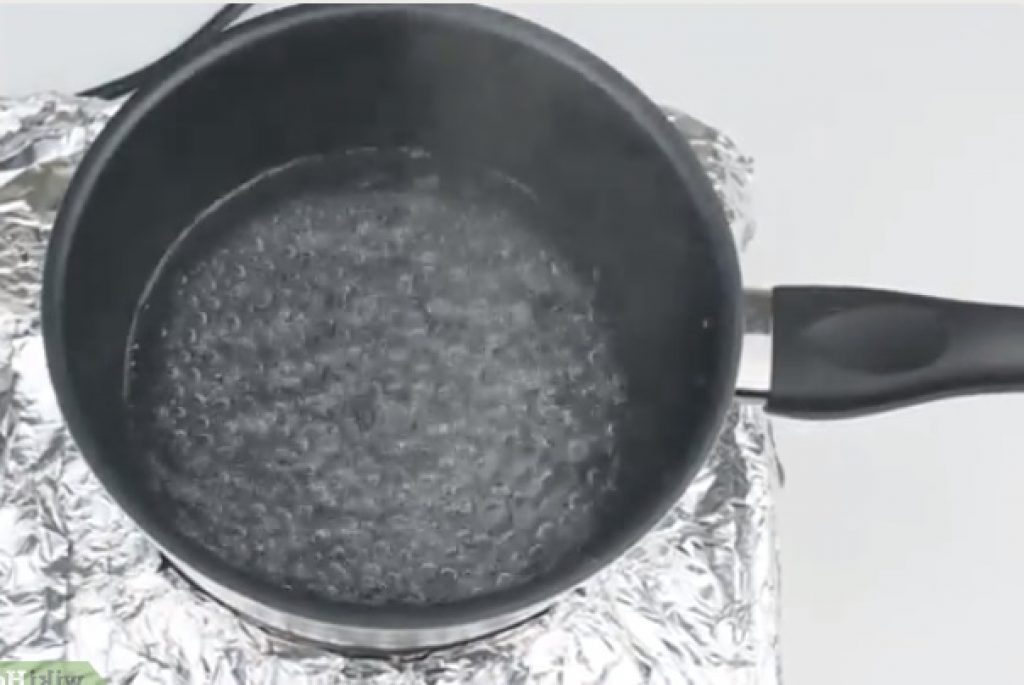
- Pour water halfway into the pan and add about ½ cup of vinegar to the pan. Boil for 5-10 minutes depending on the heat intensity.
- Both oil residues and food particles will rise on the surface on the water in the pan. When this happens, turn off the burner.
- Dab at the pools of oil using a bunched up paper towel. You may not be able to collect all of the oil but when you’ve collected most of it, dispose the paper towel. Any other floating food particles can be collected and removed using a perforated plastic spoon. (Care should be taken not to be burned by the hot water).
- Carefully pour the water away.
- Wash the pan normally with a soft sponge, then rinse and dry.
See Also: Best Over The Range Microwave For The Kitchen With A Class
For the general maintenance and cleaning of non stick pans, these guides can help you as well:
1. Allow the pan to cool from the cooking heat, at least to a point where you can touch the pan.
2. With a non metallic utensil, remove any food particles from the burnt non stick pan.
3. Then pour warm water into the pan. Cookwares are easier to clean when they are warm.
4. Wash normally with little detergent, a soft nylon scrubber, sponge, or paper towel.
5. For repairs, an oil mister is used instead of the regular cooking sprays.
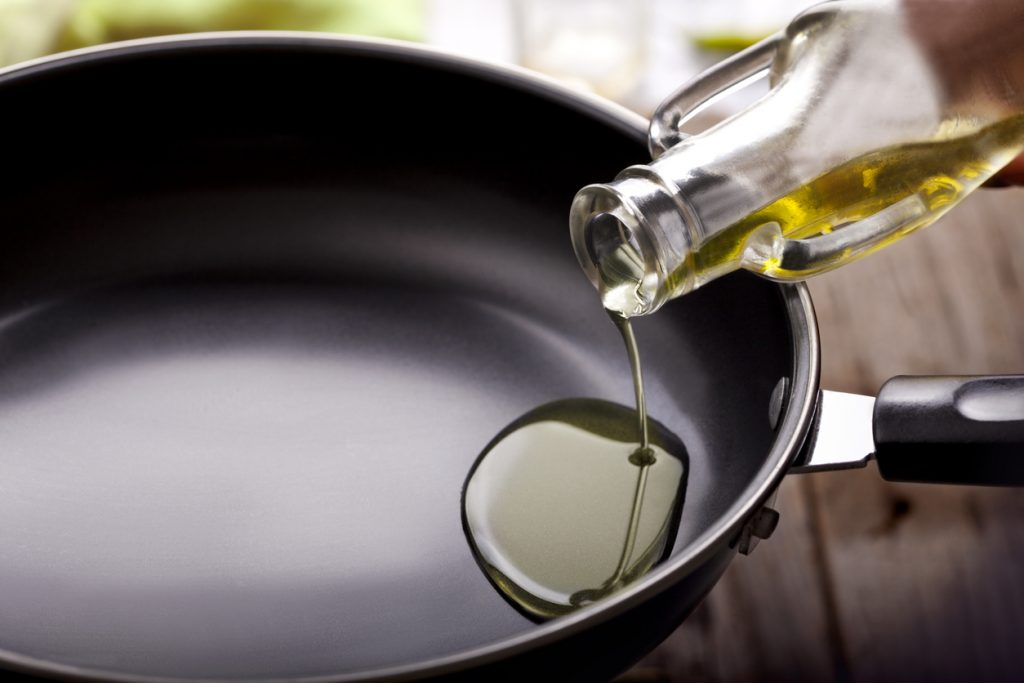
- Apply a small amount of fat and evenly distribute on the surface of the pan and then heat. This improves the sticking resistance of the pan. Doing this from time to time will help increase the durability and efficiency of the non stick pan. This process is called seasoning.
- Adding the oil too late (after the pan is heated), faults the result, making the oil soaked up into the food.
Recommended: Best Cast Iron Skillets and Frying Pan Reviews
NOTE: Nonstick pan has an average durability span of five years or thereabout. If it suddenly starts sticking and non-resistant, it may be a sign that you need a new cookware. But to keep it longer, not over-using the pan helps to prolong its life span.