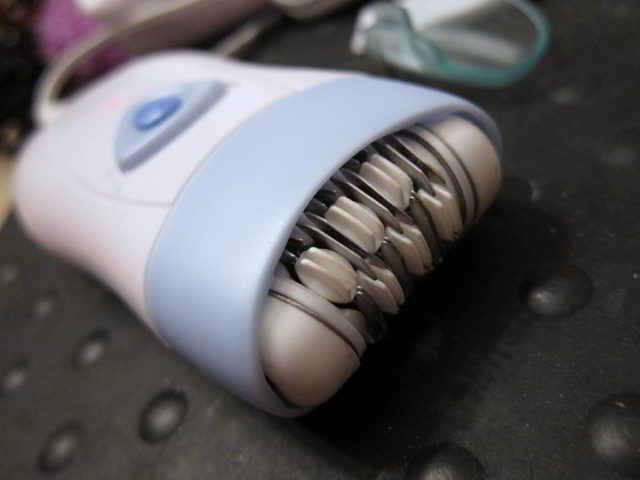
Epilators, electrical devices used to temporarily remove hair at the follicle level, are becoming increasingly popular as the hair removal solution that lasts a long time, but does epilator work, really?
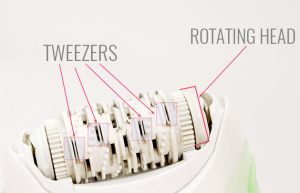
Epilators are more like electronic tweezers used to remove unwanted hair, not unlike the same way waxing or tweezing works, plucking hairs from the roots.
However, opposed to waxing and tweezing, epilators use spinning discs or springs to capture the hair on the skin, at the same time moving in a rotating motion that pulls the hair from the very root deep down into the skin, removing the entire hair.
Epilators come in all sizes, shapes, designs, and prices. There are several efficient epilators on the market. There are cordless and rechargeable ones.
Does Epilator Work?
Epilators are the preferred method of removing unwanted hair. That should say something about its efficiency, shouldn’t it? Epilators are usually small and easily maneuverable, and so can be taken along while on trips, as well can be used in several situations and circumstances, enhancing its market appeal.
Also, epilators are inexpensive compared to other hair removal methods, as well as provide a long-lasting effect.
Other methods of hair removal require creams, waxes, razors, and so on (of course these things cost money), but the epilator only needs to be purchased once, which makes it a money saver. Also, you do not need to change the parts of your epilator. It is always good to go.
Furthermore, epilators do a smooth work because they do not need creams, or other aiding substances for them to do their work. Epilators also remove all kinds of hair, and are just the perfect tool for removing unwanted hairs and check hair growth.
Read: Best Natural Deodorants For Men That Never Clog The Pores
How Long Does the Effect Last?
Epilators work by removing the entire hair follicles from their roots. What this means is that the body would need some time to restart the regrowth process of the hairs – translating in a long time before the hairs grow up back – for as long as, at least, two weeks.
Another advantage for hair removers who want to use epilators is that the more you epilate, the thinner and finer the regrown hairs become, which means you would need to use your epilator less and less per time. After a while of epilating, it begins to take longer and longer for the hairs to grow back. If continued, it permanently damages the hairs, and they stop growing altogether.
Epilating – Does it Hurt?
The short answer?
Yes.
The long answer?
Well, epilators hurt only a bit. Apart from being much more effective than other hair removal methods, the first few times you use an epilator, it might hurt. The reason for this is that your body is not used to having multiple hairs pulled out, and your body begins to adjust to that sensation. So, yeah. It hurts a little bit – although, nowhere compared to the pain from waxing and other methods.
The more time you do it though, it hurts less and less – not just because your body gets used to it over time, but – because the hairs grow thinner and are pulled out faster. Also, they have less and less attachment to the nerves that send pain signals to the brain.
Researchers have gone into the industry, and the manufacturers of epilating devices are always trying to find new ways to create gentler and more effective devices that are becoming less and less painful in removing hairs from the body.
The bottom line of this long answer to the question of whether it hurts or not is this: it does hurt, but not enough to warrant cries and screams, like the waxing and other methods.
Where Can You Use an Epilator?
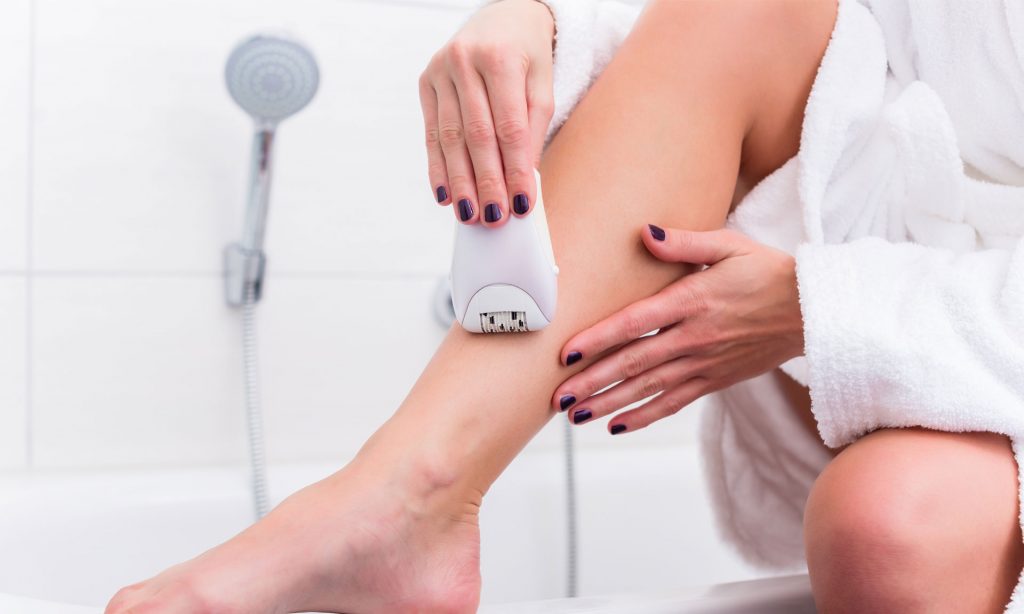
Most epilators can be employed for full-body use. That said, it is usually better to use smaller and more maneuverable heads on the epilators when working on sensitive parts of the body, especially the armpits, the face, and the crotch areas.
Is it Better to Wax or to Epilate?
Waxing is a great way to remove body hairs, but epilating is considered much more effective, efficient, and convenient – not to talk about inexpensive. With waxing, the margin of error is so much. When not performed well, it can cause some complications. Apart from that, it takes a long time for the body to get used to the pain from waxing.
Also, during waxing, you have to apply warm wax, then wait for it to cool down, before pulling. The epilator, on the other hand, can be used on the go.